
A reliable heating system helps keep your home comfortable through cold Michigan weather. If you are comparing home heating systems in Cement City, MI, the best option depends on your home’s size, insulation, existing ductwork, available energy sources, and budget. Common choices include furnaces, heat pumps, boilers, and ductless mini-splits.
Each system works differently. Understanding how they heat your home, what they cost to operate, and when they need service can help you make a confident decision.
What Are the Main Types of Home Heating Systems?
The main types of home heating systems are furnaces, heat pumps, boilers, ductless mini-splits, and electric resistance heaters. Some homes use a combination of systems to provide heat in different rooms or weather conditions.
Furnaces
A furnace heats air and sends it through ducts to rooms throughout your home. It can run on natural gas, propane, electricity, or heating oil, depending on the equipment and fuel available.
Furnaces are worth considering if your home already has ductwork. A central air conditioner may also use the same duct system. However, leaks or poorly designed ducts can reduce comfort and waste energy.
A gas or propane furnace needs proper venting and professional maintenance. If your home does not have access to natural gas, you may want to compare propane with electric heating options.
Heat Pumps
A heat pump moves heat from outdoors into your home. It runs on electricity and can also cool your home in the summer. Instead of burning fuel to make heat, it transfers heat between indoor and outdoor air.
Cold-climate heat pumps are designed to operate in low temperatures, but performance varies by model. Some homes may need supplemental heat during very cold weather. Ask an HVAC professional to compare the equipment’s cold-weather performance with your home’s heating needs.
Boilers
A boiler heats water that moves through pipes to radiators, baseboards, or radiant floor systems. Some boilers produce steam instead of hot water. Unlike a forced-air furnace, a boiler does not use ducts to distribute heat.
Boilers can provide steady, comfortable warmth. They may be a practical choice when your home already has a working radiator or hot-water heating system. Installation options and costs depend on the condition of the existing pipes and heating equipment.
Ductless Mini-Splits
A ductless mini-split is a type of heat pump that connects an outdoor unit to one or more indoor units. It can heat and cool individual areas without requiring a full network of ducts.
Mini-splits can work well for additions, converted rooms, or homes without ductwork. Depending on the system design, they may heat one room or several areas. A professional should help determine how many indoor units are needed and whether backup heat makes sense.
Electric Resistance Heating
Electric baseboard heaters and electric furnaces produce heat directly from electricity. They can be simple to use, but heating costs depend heavily on local electricity rates and how much heat your home needs.
An electric heat pump often uses less electricity for the same amount of heat because it moves heat rather than producing it entirely through resistance. Compare installation costs and expected operating costs before deciding.
Which Heating System Is Best for a Cement City Home?
The best heating system is one that fits your home’s heat loss, available fuel, existing equipment, and comfort needs. There is no single system that works best for every home in Cement City, MI.
Consider these questions before choosing:
– What energy sources are available? Check whether your home uses natural gas, propane, electricity, or another fuel.
– Does your home have ductwork? Existing ducts may make a furnace or ducted heat pump easier to install.
– Are some rooms hard to heat? A ductless system or duct improvements may help, depending on the cause.
– How well is your home insulated? Air leaks and poor insulation can make any system work harder.
– Do you also need cooling? A heat pump can provide both heating and air conditioning.
– What is your budget? Compare installation, energy use, maintenance, and potential repairs.
Ask for a home-specific estimate instead of choosing equipment based only on the size of your current unit. A properly sized system should account for insulation, windows, air leakage, and the layout of your home.
Can a Heat Pump Work During a Michigan Winter?
Yes. A properly selected heat pump can provide heat during Michigan winters. Cold-climate models are designed for lower outdoor temperatures, but not every model performs the same way in extreme cold.
A contractor can review the unit’s heating capacity at low temperatures and determine whether supplemental heat is needed. Backup options may include electric heat or a compatible furnace. The best setup depends on your home and the equipment being installed.
Heat pumps also go through defrost cycles to remove frost from the outdoor coil. During defrost, you may notice a brief change in operation or see vapor near the outdoor unit. If you are unsure whether what you see is normal, contact a heating professional.
How Much Does It Cost to Heat a Home?
Home heating costs vary based on the energy source, equipment efficiency, outdoor temperatures, thermostat settings, and your home’s insulation. Local utility and fuel prices also affect the total.
When comparing systems, look beyond the purchase price. Ask about:
- Equipment and installation costs.
- Expected energy use for your home.
- Ductwork, electrical, or venting changes.
- Maintenance needs and warranty terms.
- Available incentives and their current eligibility rules.
A higher-efficiency system may cost more upfront but use less energy. Actual savings depend on your home and usage, so request an estimate rather than relying on a general savings claim.
What Do Heating Efficiency Ratings Mean?
Heating efficiency ratings help you compare equipment, but different systems use different measurements.
AFUE, or annual fuel utilization efficiency, is used for furnaces and boilers. It describes how efficiently the equipment converts fuel into heat over a typical heating season. For example, a 95% AFUE rating means approximately 95% of the fuel energy becomes heat, not that your total heating bill will fall by 95%.
HSPF2 is a heating efficiency rating used for many air-source heat pumps. It estimates seasonal heating performance under standardized testing conditions. Compare ratings alongside the unit’s cold-weather capacity, installation quality, and fit for your home.
Ratings are useful, but they cannot make up for poor sizing, leaky ducts, or an installation that does not match the home.
When Should You Repair or Replace Your Heating System?
Repair may make sense if the issue is isolated and the rest of the system is in good condition. Replacement may be worth considering when repairs are frequent, comfort is uneven, or a major component has failed.
Ask your HVAC professional to explain the problem and provide repair and replacement options when appropriate. Consider the age and condition of the system, the repair cost, and how long you plan to stay in your home.
Watch for these signs that your heating system needs attention:
– Rooms are colder than usual or heat unevenly.
– The system turns on and off more often than normal.
– Airflow from vents seems weak.
– You hear new banging, rattling, or grinding sounds.
– Energy bills rise without an obvious change in use or rates.
– The thermostat setting does not match your comfort level.
These signs do not always mean you need a new system. A dirty filter, thermostat issue, duct problem, or worn part could be responsible. A proper diagnosis is the best first step.
How Often Should You Schedule Heating Maintenance?
Schedule professional heating maintenance at least once a year, ideally before the heating season. Follow your equipment manufacturer’s recommendations as well.
During a visit, a technician can inspect components, check operation, and identify concerns that may affect performance or safety. The exact work depends on the type of equipment. A furnace inspection, for example, differs from a heat pump or boiler inspection.
Between visits, check your air filter regularly if your system uses one. Replace it according to the manufacturer’s guidance and your household conditions. Keep supply vents and return grilles clear of furniture, rugs, and other obstructions.
For an outdoor heat pump, keep the area around the unit clear of leaves and other debris. Follow the manufacturer’s instructions for snow clearance, and do not use sharp tools to chip ice off the equipment.
How Can You Improve Heating Efficiency at Home?
You can help your heating system work more effectively by reducing heat loss and keeping airflow clear. Start with these practical steps:
– Seal noticeable drafts around doors and windows.
– Check attic insulation and address gaps where appropriate.
– Replace or clean filters as recommended for your system.
– Keep vents and return grilles open and unobstructed.
– Use a thermostat schedule that fits your household.
– Have leaky ducts inspected and sealed when needed.
– Schedule routine maintenance and address problems early.
If you have a heat pump, ask your HVAC professional about thermostat settings for your specific system. Large temperature setbacks can cause some systems to rely more on supplemental heat, so the best schedule may differ from a furnace’s.
What Heating Safety Steps Should Homeowners Follow?
Install carbon monoxide alarms according to their instructions and applicable local requirements. Carbon monoxide is a colorless, odorless gas that can be produced by fuel-burning equipment. Test alarms regularly and replace them when directed by the manufacturer.
If a carbon monoxide alarm sounds, leave the home immediately and call 911 or your local emergency services from outside. Do not go back inside until emergency responders say it is safe.
If you smell gas, leave the building immediately. Do not use switches, phones, or appliances inside. Once safely outside, call your gas utility or 911.
Keep combustible items away from heating equipment, and leave repairs involving fuel lines, electrical components, and venting to qualified professionals.
Frequently Asked Questions
How Long Does a Heating System Last?
A heating system’s service life depends on the equipment, installation, maintenance, and operating conditions. Rather than relying on age alone, have a professional assess its condition and discuss whether repair or replacement makes sense.
Can I Replace My Furnace With a Heat Pump?
Many homes can use a heat pump instead of a furnace, but the right setup depends on the home’s heating needs, electrical capacity, ductwork, and equipment design. Some homes may benefit from a heat pump paired with a furnace or another backup heat source.
Why Are Some Rooms Colder Than Others?
Uneven temperatures can result from blocked vents, duct leaks, insulation gaps, air leaks, or equipment and thermostat issues. A heating professional can help identify the cause before recommending a solution.
Should I Close Vents in Unused Rooms?
Do not assume closing vents will save energy. In some forced-air systems, closing too many vents can affect airflow and system performance. Ask your HVAC professional what is appropriate for your setup.
Schedule Heating Service in Cement City, MI
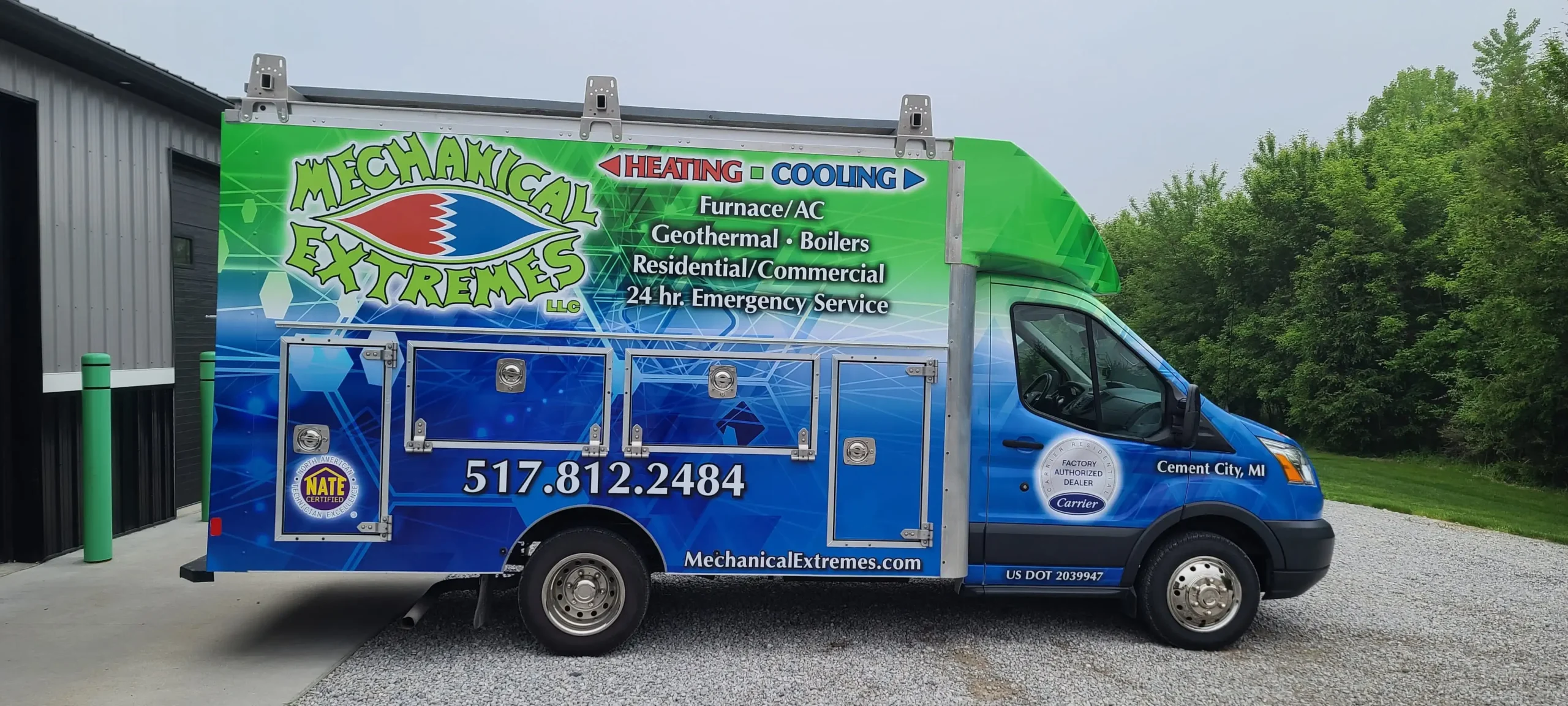
Whether you need help with a heating problem or want to explore a new system, Mechanical Extremes Heating & Cooling can help. Call 517-812-2484 to discuss your home heating needs and schedule service in Cement City, MI.